As an Amazon Associate, I earn from qualifying purchases. This post contains affiliate links, which means I may receive a small commission, at no cost to you, if you make a purchase through a link.
The “Withholding” Cycle: As a GI nurse, I see this every day: a child has one painful bowel movement, and their brain decides, “I am never doing that again.” They start to hold it in, the stool gets harder, and the next time is even more painful. It’s a cycle that feels impossible to break, but we can fix it.
Step 1: The “M.O.P.” Method (Movement, Output, Power)
- Movement: Are they active enough to keep the gut moving?
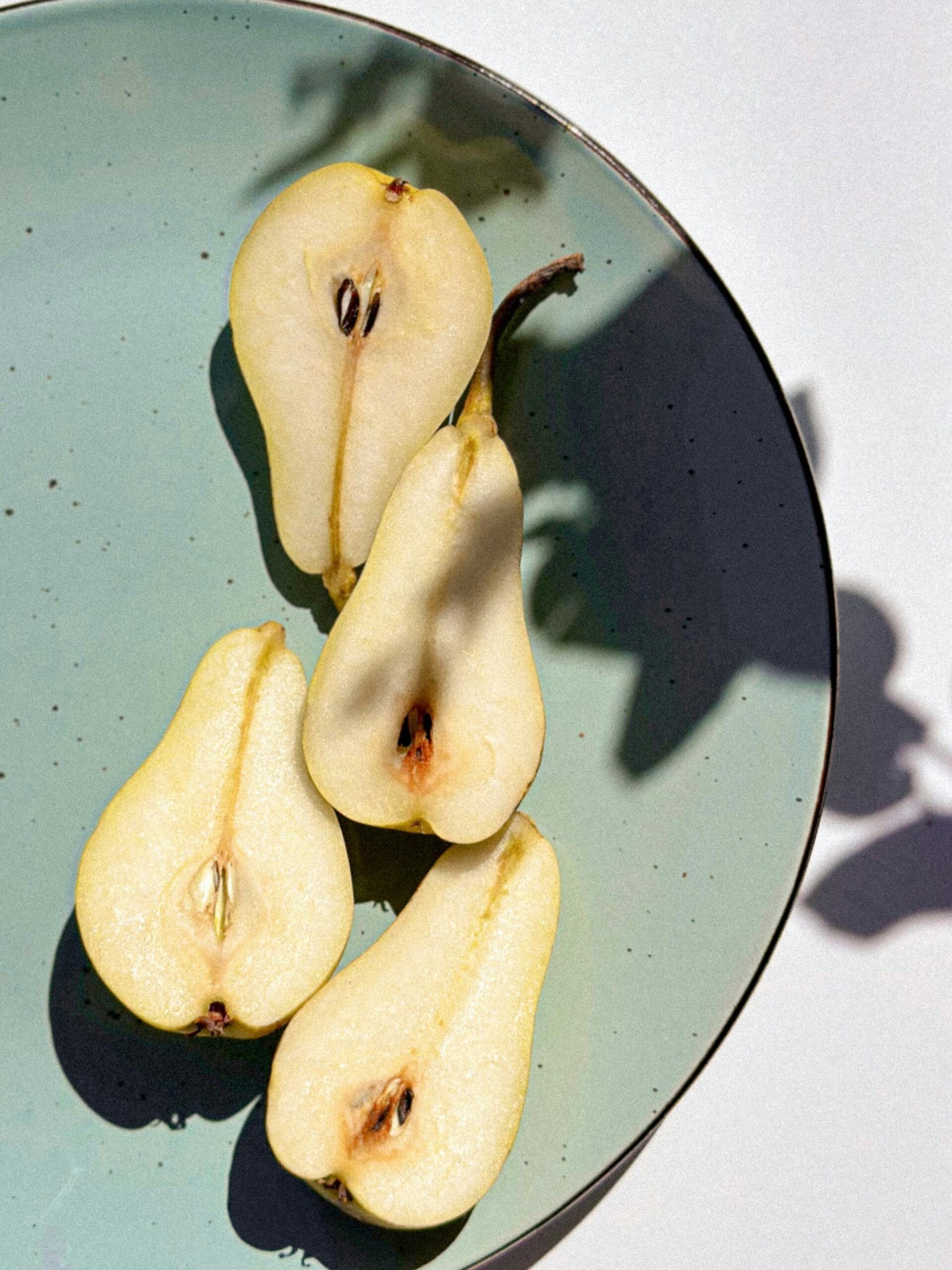
- Output: Are we getting enough fiber and water? (Think: “P” fruits—Pears, Peaches, Plums). I recommend Plum Organics Pear, Purple Carrot and Blueberry Pouches. These high-fiber favorites are great for older babies and toddlers. My school-aged kids love them, too!
- Power: Does your child have a “squatty” position? If their legs are dangling off a big toilet, they can’t use their muscles to push effectively.
Step 2: Practical Nurse Tips for the Bathroom
- The 10-Minute Sit: Have them sit on the toilet 15–20 minutes after a meal (when the body’s natural “move it along” reflex is strongest). No pressure, just a “rest.”
- The “Squat” Factor: Get a stool for under their feet. This is the #1 game-changer for pediatric constipation. I recommend the Squatty Potty with removable topper which is specifically designed for toddlers and kids.
Step 3: When to Seek Expert Help (The Red Flags) Since your child is older, we watch for different signs than we do in babies:
- Encopresis: This is when “liquid” stool leaks out around a hard blockage. It looks like an accident, but it’s actually a sign of severe constipation.
- Abdominal Distention: A belly that feels hard or looks bloated even when they haven’t eaten.
- Fear/Anxiety: If your child is hiding in a corner or crossing their legs to avoid going, it’s time to intervene.
Final Thoughts: Progress, Not Perfection
Breaking the withholding cycle doesn’t happen overnight. As a nurse, I always tell parents to celebrate the “small victories”—even if it’s just a 5-minute sit without tears. By focusing on movement, high-fiber nutrition, and proper positioning, you are giving your child the physical tools they need to feel safe again.
You’ve got this, and more importantly, your little one has a “pro” like you in their corner.