As an Amazon Associate, I earn from qualifying purchases. This post contains affiliate links, which means I may receive a small commission, at no cost to you, if you make a purchase through a link.
As a pediatric nurse, one of the most common questions I get from exhausted parents is: “Is it the bottle?” When your baby is struggling with reflux—spitting up, arching their back, or crying during feeds—the air they swallow can make a difficult situation even worse. While no bottle is a “magic cure” for reflux, the right venting system can significantly reduce the amount of extra gas in their little belly.
Here are the three bottles I consistently recommend in the clinic and why they actually work.
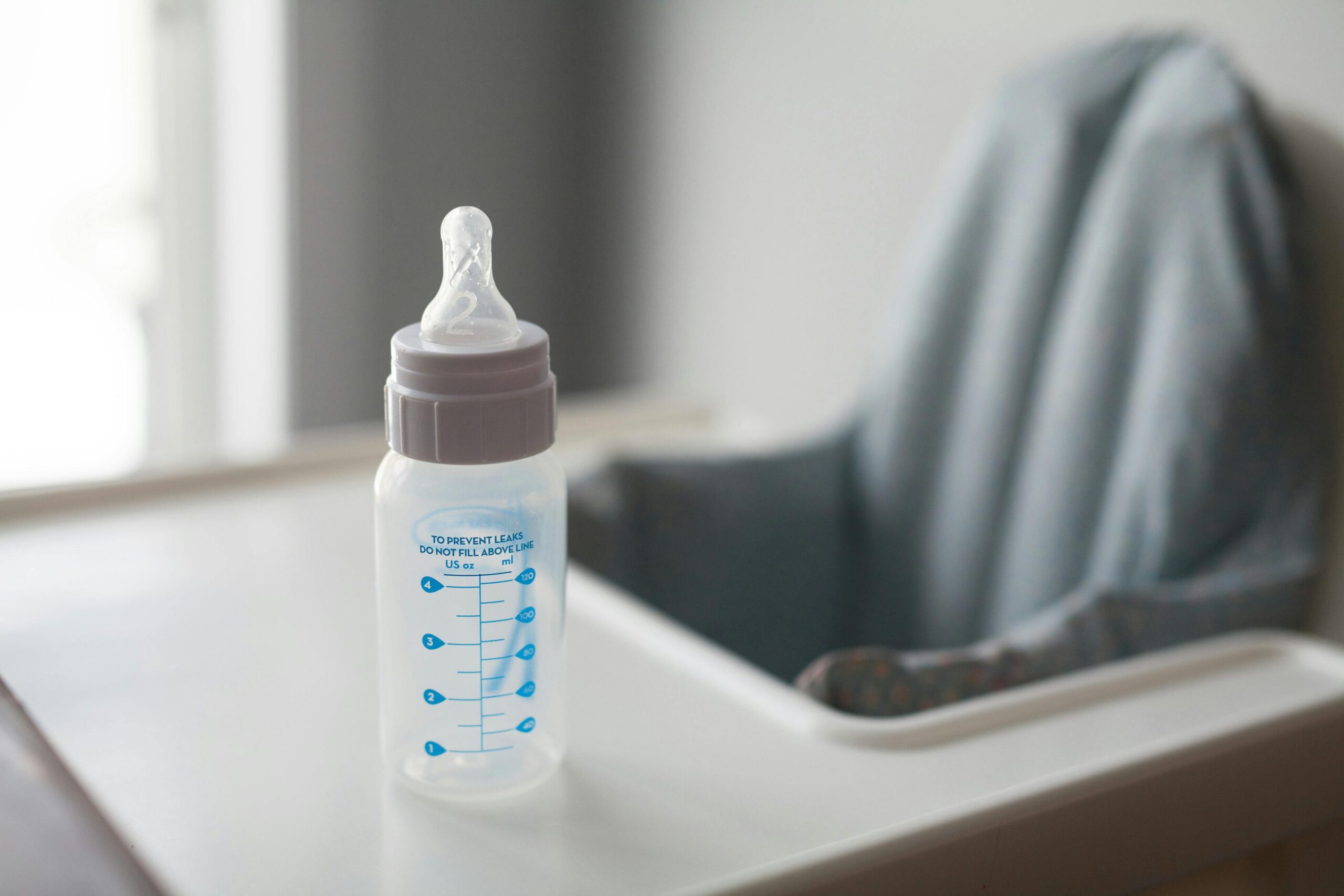
1. The “Gold Standard”: Dr. Brown’s Natural Flow Options+
There is a reason you see these in almost every NICU.
- The Science: It uses an internal green vent system that creates “vacuum-free feeding.” This mimics breastfeeding and ensures no air bubbles mix with the milk.
- Nurse Tip: Yes, there are more parts to wash, but if your baby is a “gulpier” or very gassy, the extra cleaning time is worth the reduction in spit-up. Check Price on Amazon.
2. The Breast-to-Bottle Favorite: Comotomo
If you are transitioning between breast and bottle, Comotomo is a game changer.
- The Science: The entire bottle is made of medical-grade silicone, which allows the baby to “latch” on a soft surface. It has two anti-colic vents built directly into the nipple.
- Nurse Tip: Because the bottle is squeezable, it’s great for babies who struggle with a consistent let-down, but it is wide, so make sure your bottle warmer can accommodate it! Check Price on Amazon.
3. The Best for Fast Drinkers: Philips Avent Anti-Colic with AirFree Vent
If your baby drinks too fast and ends up coughing or gasping, this is my go-to recommendation.
- The Science: The AirFree vent is designed to keep the nipple full of milk, not air, even when the bottle is held horizontally.
- Nurse Tip: This is excellent for Paced Bottle Feeding (where we keep the baby more upright). It allows the baby to control the flow rather than the milk just pouring into their mouth. Check Price on Amazon.
My #1 Clinical Tip: The “Upright Pause”
Regardless of the bottle you choose, remember the 20-minute rule. After a feed, try to keep your baby upright for at least 20 minutes. This allows gravity to help the milk settle at the bottom of the stomach and keeps the “trap door” (the lower esophageal sphincter) from being pushed open by gas.