As an Amazon Associate, I earn from qualifying purchases. This post contains affiliate links, which means I may receive a small commission, at no cost to you, if you make a purchase through a link.
If you’ve ever mentioned a constipated child in a parenting group, you’ve likely seen the warnings. “It changed my child’s personality!” or “It’s basically antifreeze!” As a Pediatric GI nurse, I spend a large portion of my week answering these exact concerns.
Miralax (Polyethylene Glycol 3350) is the most common tool in our toolkit for chronic constipation, but it is also the most misunderstood. Let’s strip away the internet rumors and look at the clinical reality.
1. How It Actually Works (It’s Not a Stimulant)
Unlike “old school” laxatives that force the bowels to squeeze (which can cause cramping and dependency), Miralax is an osmotic.
- The Sponge Analogy: Think of Miralax like a tiny sponge. It isn’t absorbed into your child’s bloodstream. Instead, it stays in the colon and pulls water into the stool.
- The Result: It turns a “hard brick” poop into a “soft sausage” poop. It doesn’t force the body to go; it just makes it easier to go.
2. Addressing the “Behavioral Change” Concerns
This is the number one fear parents have. You may have heard that Miralax causes “rage” or “anxiety.”
- The Nurse’s Perspective: Currently, the FDA and major pediatric GI organizations have not found a clinical link between Miralax and neuropsychiatric issues.
- The “Poop-Behavior” Link: Often, what parents see as “behavioral issues” are actually symptoms of chronic constipation itself. A child with a massive stool blockage (impaction) is often irritable, sleep-deprived, and uncomfortable. Furthermore, the “clearing out” process can be intense for a child’s sensory system.
3. “Is it Antifreeze?”
No. This myth comes from a confusion between Polyethylene Glycol (the safe ingredient in Miralax) and Ethylene Glycol (the toxic ingredient in antifreeze). They are chemically different, much like how Chlorine (a deadly gas) is different from Sodium Chloride (table salt).
4. Why Consistency Matters
The biggest mistake I see parents make is the “Start-Stop” cycle. They give Miralax for two days, the child has one good poop, and the parent stops. But the colon is like a stretched-out balloon; it takes weeks or months of “soft” poops for the colon to shrink back to its normal size and strength. If you stop too soon, the “brick” returns, and you’re back at square one.
Nurse’s Pro-Tip: The Mix-Master Method
Miralax is tasteless and odorless, but it can be “gritty” if not mixed right.
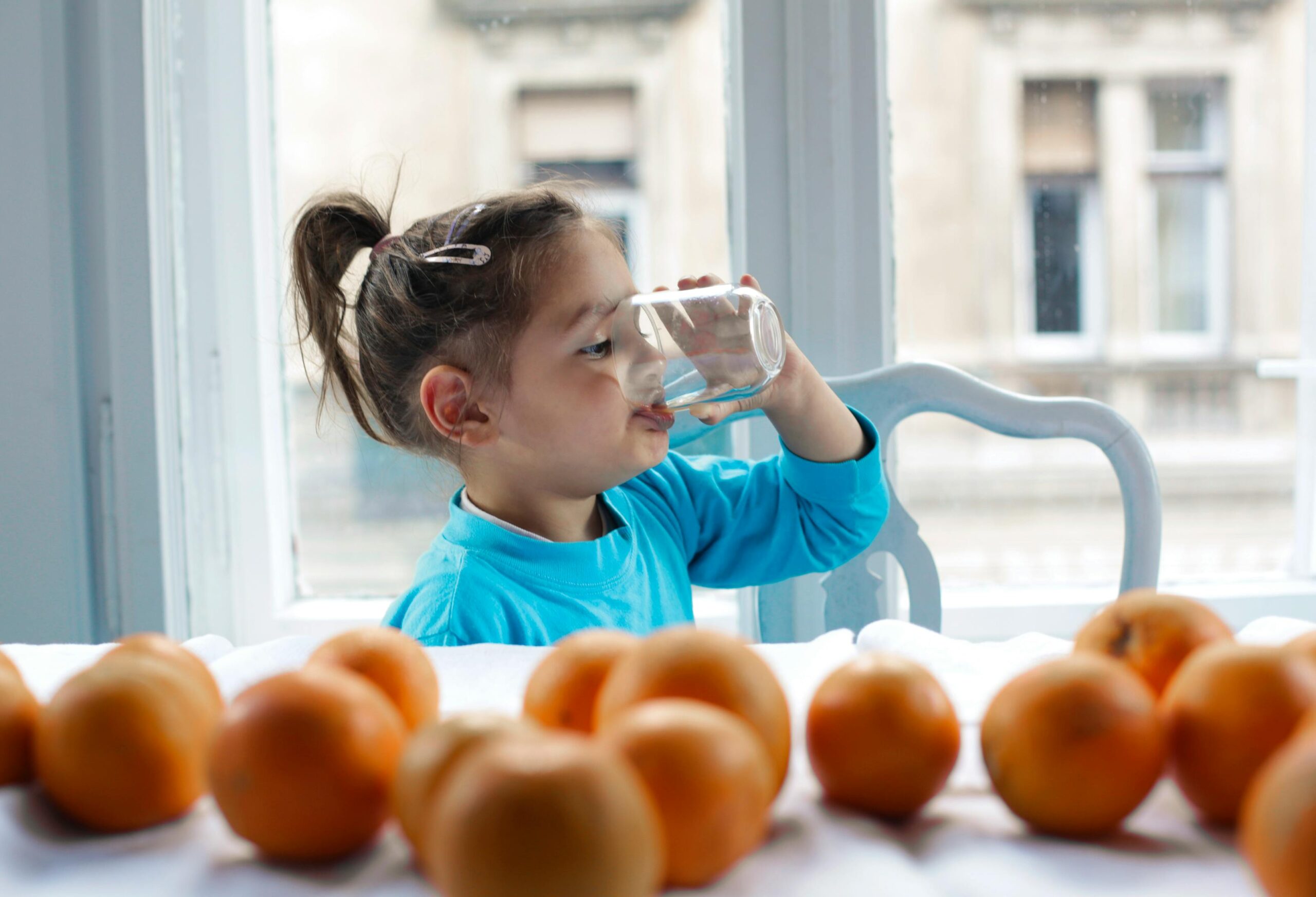
- Dissolve completely: Stir it into 4–8 oz of juice or water and let it sit for 2 minutes until it is 100% clear.
- Cold is better: Most kids prefer it chilled.
- The “Poop-Moisturizer”: Think of Miralax as a moisturizer for the gut. You wouldn’t put lotion on a dry elbow once and expect it to be soft forever; you have to be consistent!