As an Amazon Associate, I earn from qualifying purchases. This post contains affiliate links, which means I may receive a small commission, at no cost to you, if you make a purchase through a link.
If you are finding “skid marks” or liquid stool in your child’s underwear—even though you know they are struggling with constipation—you aren’t alone. This is a medical condition called Encopresis, and it is much more common than people think.
The most important thing to know? Your child cannot feel it happening.
How the “Plumbing” Fails
To understand encopresis, you have to understand the “Stretched Balloon” effect.
- The Blockage: When a child is constipated for a long time, a large, hard mass of stool (the “fecal iceberg”) gets stuck in the rectum.
- The Stretching: The rectum is a muscle. When it stays full of hard stool, it stretches out. Over time, the nerves in that muscle become “numb.” The child loses the “urge to go” because the signal to the brain is broken.
- The Leak: New, liquid stool from higher up in the digestive tract tries to move past the blockage. It seeps around the hard mass and leaks out. Because the nerves are numb, the child has no idea it’s happening until they feel the moisture in their clothes.
The “Behavioral” Trap
Parents often think their child is being “defiant” or “too lazy to stop playing.” This leads to a cycle of shame and punishment that actually makes the constipation worse because the child becomes anxious about the bathroom.
The Nurse’s Clinical Truth: You cannot “punish” a numb nerve into working. We have to shrink the “balloon” (the rectum) back to its normal size before the child can feel the urge again.
The GI Nurse’s 3-Step Recovery Plan
1. The “Clean Out”
Under the guidance of your pediatrician, the first step is usually a “Clean Out.” This involves a higher dose of an osmotic (like Miralax) or sometimes an enema to remove the “fecal iceberg.” We have to clear the pipe before we can fix the plumbing.
2. The Maintenance Phase
Once the blockage is gone, we keep the stool “soft like pudding” for several months. Why so long? Because it takes time for the stretched-out rectum to shrink back to its original size and for those “urge” nerves to wake up.
3. Scheduled “Potty Sits”
Since the child can’t feel the urge yet, we use the Gastrocolic Reflex.
- The Routine: Have your child sit on the toilet for 5-10 minutes about 20 minutes after a meal (breakfast and dinner are best).
- The Setup: Use a footstool (like a Squatty Potty) so their knees are above their hips. This relaxes the puborectalis muscle and allows the stool to slide out without straining.
A Message of Hope
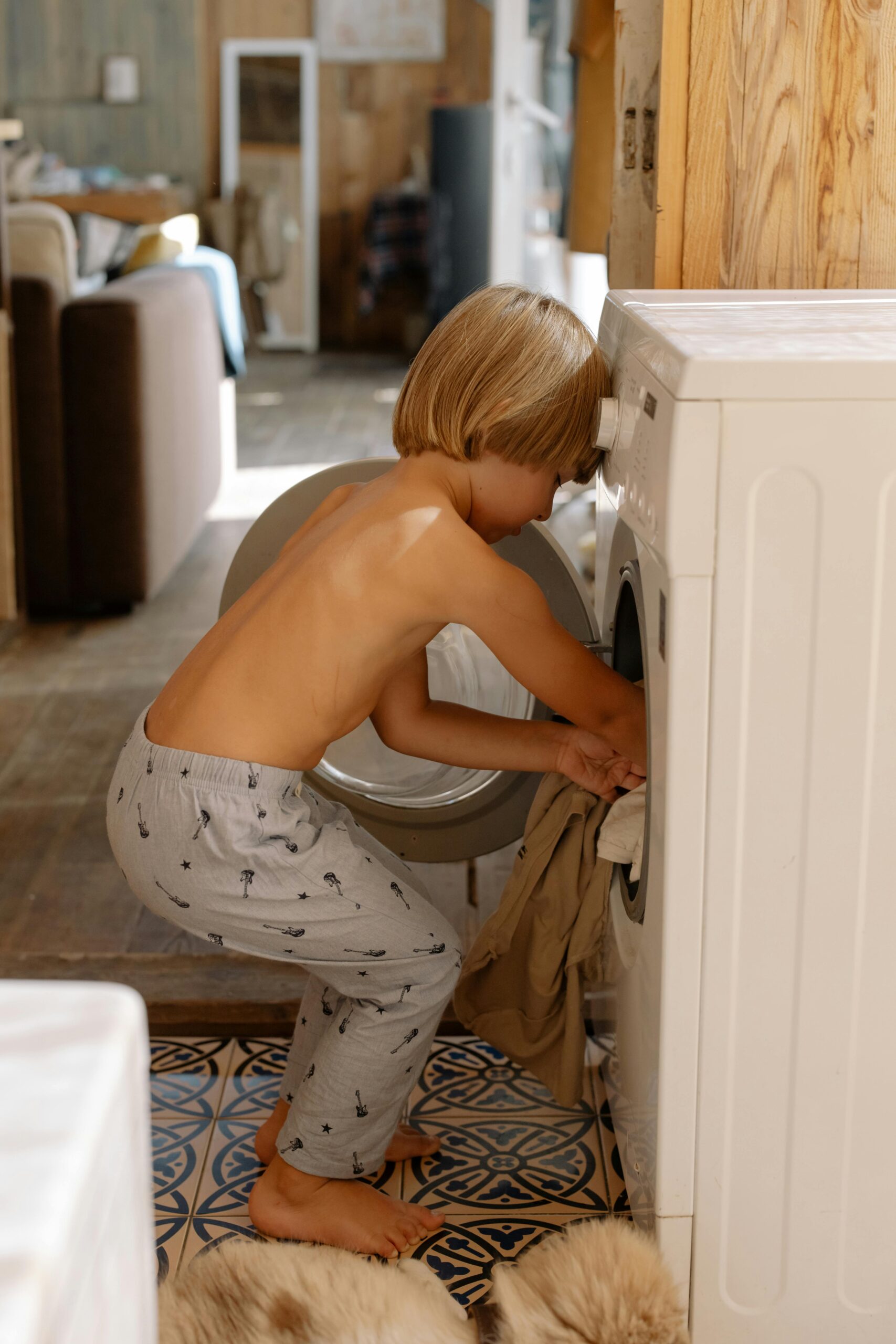
Encopresis is frustrating, and the laundry is exhausting. But with a consistent “Clean Out” and maintenance plan, as directed by your child’s physician, the nerves will wake up, and your child will regain control.